How Fast Is Safe Weight Loss? A Steady Pace With LipoFlow
A safe pace is about 1 to 2 pounds a week, says the CDC, and people who lose at that pace are more likely to keep it off. The NIDDK suggests a first goal of 5% to 10% of starting weight within six months, about 10 pounds for a 200-pound person.
What is a safe weight loss pace?
A safe, steady pace is about 1 to 2 pounds a week. The CDC says people who lose weight at that gradual pace are more likely to keep it off than people who lose it faster (CDC, Steps for Losing Weight).
That can feel slow when you are eager to see change. But a pound a week is about 50 pounds in a year, and it is the kind of loss that tends to stay gone.
The first week or two often look faster. Cutting back on salt and starchy foods sheds some water, so the scale can drop more than expected. Then the pace settles into the steady range, which is normal and not a sign that something stopped working.
- Weekly pace
- 1–2 lbCDC
- Monthly
- 4–8 lbroughly
- First goal
- 5–10%in 6 months
- Year at 1 lb/wk
- ≈ 52 lbif kept up
What is a realistic first weight loss goal?
Aim for 5% to 10% of your starting weight within six months. That is the first goal the NIDDK suggests, and it is about 10 pounds for a 200-pound person (NIDDK, Choosing a safe weight-loss program).
A goal this size is enough to notice in how clothes fit and how stairs feel. It is also small enough to reach without extreme rules.
When you reach it, hold steady for a few weeks before setting the next goal. Keeping a new weight is a skill of its own, and practicing it early pays off.
First goals by starting weight (our arithmetic on the NIDDK range)
| Starting weight | 5% goal | 10% goal | Weeks needed (5% at 2 lb a week to 10% at 1 lb a week) |
|---|---|---|---|
| 150 lb | 7.5 lb | 15 lb | 4 to 15 weeks |
| 180 lb | 9 lb | 18 lb | 4 to 18 weeks |
| 200 lb | 10 lb | 20 lb | 5 to 20 weeks |
| 250 lb | 12.5 lb | 25 lb | 6 to 25 weeks |
| 300 lb | 15 lb | 30 lb | 8 to 30 weeks |
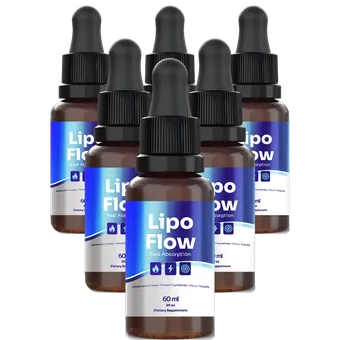
Ready to try Lipo Flow?
Best value$49 a bottle · $294 for 6 $1,074
Why does slower weight loss last longer?
Because the habits that create slow loss are the same habits that keep it off. Crash plans rely on rules you cannot follow forever. When they stop, the old routine comes back, and so does the weight.
A steady pace also gives your body and your schedule time to adjust. You learn which lunch keeps you full, which walk fits your day and how to handle a weekend.
Think of the first six months as practice. Each habit you keep through a busy week, a birthday dinner or a sick day is one you are likely to keep for good.
Steady pace
- Habits you can keep for years
- Room for family meals and weekends
- Time to learn what keeps you full
Crash approach
- Very low-calorie crash plans
- Skipping whole food groups for weeks
- Products promising pounds a day
Which daily habits help weight loss the most?
The basics still win: what you eat, how much you move and how well you sleep. Pick one habit at a time and give it two weeks before adding the next.
- 1
Build the plate
Fill half with vegetables, add a protein and keep starches to a fist.
- 2
Drink water first
Swap one sugary drink a day for water or unsweetened tea.
- 3
Walk after a meal
Ten minutes after lunch is easy to fit and adds up across a week.
- 4
Protect sleep
A regular bedtime makes evening snacking easier to resist.
- 5
Plan the weekend
Most drift happens Friday to Sunday. Decide one treat ahead.
- 6
Check in weekly
Same scale, same day, same time. Write the number down.
Do not try to fix everything on Monday. One change done well for two weeks beats six changes dropped by Thursday. Once a habit feels automatic, add the next one.
Our weight management guide has more on each habit, and the results timeline shows what a fair trial period looks like.
Why does weight loss stall, and what should you do?
Plateaus are normal. As you lose weight, your body needs a little less energy, and habits that started strong often loosen. A stall of two or three weeks is not failure; it is a signal to review.
Daily weight swings with water and salt. Look at four weekly weigh-ins in a row before deciding you have stalled.
Portions creep. Snacks sneak in. Write down two ordinary days of eating and see what changed since week one.
Add a few minutes to your walk or one more active day. Strength work twice a week helps you keep muscle.
If habits are on track, give it another two weeks. Many stalls break on their own.
A stall is also a good time to look at wins the scale misses. Notice whether your belt fits differently, whether stairs feel easier or whether you sleep better. Those changes often show up before the number moves again.
Which fast weight loss promises should you ignore?
The FTC lists weight claims that are almost always false (FTC, Gut Check). They are easy to spot once you know them.
- 2 pounds or more a week for a month, without diet or exerciseFalse
- Lose weight no matter what you eatFalse
- Weight stays off after you stop the productFalse
- Works for everyoneFalse
The NIDDK adds "lose weight without diet or exercise" and too-good-to-be-true before-and-after photos to the warning list (NIDDK, Choosing a safe weight-loss program).
Start your 60-day window today
Best value$49 a bottle · $294 for 6 $1,074
When is weight loss medicine the right talk to have?
When habits alone have not been enough, or your weight affects your health, a doctor can talk through prescription options. FDA-approved long-term medicines include orlistat, phentermine-topiramate, naltrexone-bupropion, liraglutide, semaglutide and tirzepatide (NIDDK, Prescription medications for obesity). With a lifestyle program, adults lose 3% to 12% more of their starting weight after a year than with lifestyle alone.
Get these medicines only with a prescription from a state-licensed pharmacy. The FDA has received hundreds of adverse-event reports tied to compounded versions (FDA, Unapproved GLP-1 drugs).
If you have prediabetes, a CDC lifestyle program can lower type 2 diabetes risk by 58% (CDC, Prediabetes). Ask your doctor about a local or online class.
Where does Lipo Flow fit in a safe weight loss plan?
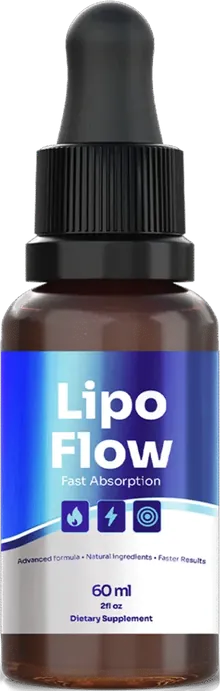
Lipo Flow is a dietary supplement in liquid drops, not a weight-loss medicine. No study has tested its formula, and its doses are small next to research amounts. It will not change the pace on this page.
If you like a simple daily ritual, some people pair a morning serving with the habits above as a reminder. That is the honest role. Read the side effects page first, especially if you take medicine, and see packs and prices and the 60-day window if it still fits.
Safe weight loss pace questions
How fast is safe weight loss?
About 1 to 2 pounds a week. The CDC says people who lose weight at that gradual pace are more likely to keep it off than people who lose it faster.
How much weight can I safely lose in a month?
At 1 to 2 pounds a week, roughly 4 to 8 pounds in a month. Early weeks can show more as water shifts, then the pace settles.
What is a realistic weight loss goal?
Start with 5% to 10% of your starting weight within six months, as the NIDDK suggests. For a 200-pound adult, 5% is 10 pounds.
Why did my weight loss stop?
Plateaus are normal. A smaller body uses less energy, and habits often drift. Review portions, steps and sleep for two weeks before changing anything big.
Is losing 2 pounds a week too fast?
Two pounds a week is the top of the range the CDC describes. Faster loss over many weeks is harder to keep and is worth discussing with a doctor.
When should I talk to a doctor about weight loss medicine?
When habits alone have not worked, or you have a weight-related health condition. A doctor can review prescription options and whether they suit you.
Can weight loss drops speed up weight loss?
Not by much. Ingredients common in drops show small effects in trials. Lipo Flow is not a weight-loss medicine and no study has tested its formula.
How do I lose weight safely after 50?
The same steady pace applies. Protein at each meal and strength work twice a week help keep muscle. Check with your doctor if you take medicine or have a health condition.
Does the scale go up and down every day?
Yes. Water, salt and meal timing shift daily weight. Weigh at the same time each week and watch the trend over a month.
How many pounds a week should I aim to lose with Lipo Flow?
Aim for the same pace the CDC gives for anyone: about 1 to 2 pounds a week. Lipo Flow is a liquid supplement used beside food and activity habits, so it does not change what a safe pace is.
What is a good first goal when taking LipoFlow drops?
The NIDDK suggests losing 5% to 10% of starting weight within six months as a first goal, about 10 pounds for a 200-pound person. Track it with habits you can keep, and use the drops as support.
What first goal does the NIDDK suggest for weight loss?
The NIDDK suggests a first goal of 5% to 10% of your starting weight.
Ready to try Lipo Flow?
Order from the U.S. authorized merchant, keep your order email, and you are covered by the 60-day money-back guarantee. Questions first? Call +1 (302) 200-3480.
- Secure checkout
- 60-day money-back window
- Ships from the US
- Tracking by email
Keep reading
Weight guide
A realistic pace, simple habits, when to see a doctor and where a drop fits.
Read more →Results timeline
A 60-day plan with checkpoints, a realistic pace, what to track and why no result is promised.
Read more →Do weight loss drops work?
What the NIH found, the FTC red-flag claims, hidden-drug warnings and an honest Lipo Flow view.
Read more →