The Lipo Flow Weight Management Guide: Habits That Actually Matter
Aim for about 1 to 2 pounds a week (CDC) and a first goal of 5% to 10% of your starting weight in 6 months (NIDDK). Food, daily steps and 7 hours of sleep do most of the work. FDA-approved medicines are for some adults. Lipo Flow is a supplement that sits beside habits, never instead of care.
What is a realistic pace of weight loss?
1 to 2 pounds a week, 5% to 10% in six months.
Slow and steady wins here. CDC says people who lose about 1 to 2 pounds a week are more likely to keep the weight off (CDC, Steps for Losing Weight). NIDDK suggests a first goal of 5% to 10% of your starting weight within 6 months (NIDDK, Choosing a safe weight-loss program).
That can sound modest, but it adds up. Here is the math for a 200-pound adult.
First-goal targets, calculated from the NIDDK 5% to 10% range
| Starting weight | 5% goal | 10% goal |
|---|---|---|
| 160 lb | 8 lb | 16 lb |
| 180 lb | 9 lb | 18 lb |
| 200 lb | 10 lb | 20 lb |
| 240 lb | 12 lb | 24 lb |
| 280 lb | 14 lb | 28 lb |
Weekly scale numbers bounce with water, salt and hormones. Watch the trend over a month, not one Monday morning. Our post on a safe weight-loss pace goes deeper.
What should you eat to manage weight?
Protein, plants and fewer liquid calories.
Food you enjoy, in portions that leave you satisfied, does most of the work. No single food melts weight away. The aim is a small, steady gap between what you eat and what you use, without feeling hungry all day.
Protein first
Eggs, fish, chicken, beans or Greek yogurt at each meal help you stay full longer.
Half a plate of plants
Vegetables and fruit add volume and fiber for few calories.
Watch your drinks
Soda, sweet coffee drinks, juice and alcohol add calories that are easy to miss.
Plan the snack
A planned apple and cheese beats a surprise trip to the vending machine.
Try one swap at a time. Switch the afternoon soda to sparkling water this week. Add a vegetable to dinner next week. Small changes that stick beat strict plans that last ten days.
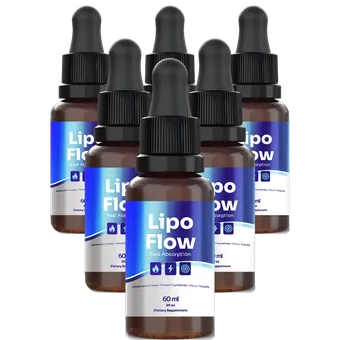
Ready to try Lipo Flow?
Best value$49 a bottle · $294 for 6 $1,074
How much activity helps with weight management?
150 minutes a week, built 10 minutes at a time.
More than you are doing now is a fine start. U.S. activity guidelines advise adults to get at least 150 minutes of moderate activity a week, such as brisk walking, plus muscle-strengthening work two days a week.
Movement helps most with keeping weight off and with mood, blood pressure and sleep. You do not need a gym.
- Walk after a meal. Ten minutes after lunch or dinner is an easy daily anchor.
- Build slowly. Add five minutes a week until you reach 30 minutes on most days.
- Lift something. Squats to a chair, wall push-ups or soup-can curls count as strength work.
- Track simply. A phone step counter shows your baseline. Aim to beat it by a little each week.
Why do sleep and stress matter for weight?
Seven hours of sleep is a weight habit.
Tired, stressed people tend to eat more and move less. Adults need at least 7 hours of sleep a night. Short sleep is linked with stronger hunger and more snacking, especially late at night.
Stress pushes the same way. A short walk, a call with a friend or a few slow breaths can stand in for a snack when the urge to eat is really an urge to unwind.
Sleep and stress habits that support weight management
| Habit | Simple first step |
|---|---|
| Fixed bedtime | Pick a time and keep it on weekends too |
| Wind-down | Screens off 30 minutes before bed |
| Caffeine cut-off | No coffee, energy drinks or caffeine-containing supplements after early afternoon |
| Stress outlet | A 5-minute walk before reaching for a snack |
What can your first 60 days look like?
Six check-ins, one habit at a time.
A steady plan with check-ins, not a race. Sixty days also matches the money-back window on every Lipo Flow pack, which gives you a clear point to decide if a supplement belongs in your routine.
- Day 1
Set a baseline
Weigh in once, measure your waist and write down your usual steps and bedtime.
- Day 7
One food swap
Keep one change, such as water instead of soda, for the whole week.
- Day 21
Add a walk
Make a 10-minute walk after a meal a daily habit.
- Day 35
Check the trend
Compare your weight and waist with day 1. A pound or two a week is on track.
- Day 50
Decide on extras
Ask yourself if any supplement is adding value. Your window is still open.
- Day 60
Review and reset
Keep what worked, change one thing and set the next 60-day goal.
A slow week is normal. One big dinner does not undo a month. The pattern over many weeks is what counts.
When should you see a doctor about weight?
Five situations where professional care comes first.
Sooner than many people think. A doctor can check for causes, review medicines that affect weight and talk about proven treatment. Prescription weight medicines are meant for adults with a BMI of 30 or more, or 27 or more with a weight-related condition (NIDDK, Prescription medications for obesity).
Blood sugar is worth asking about too. More than 2 in 5 U.S. adults have prediabetes, and a structured lifestyle program can lower type 2 diabetes risk by 58% (CDC, Prediabetes).
- Your BMI is 30 or more, or 27 or more with high blood pressure, diabetes or sleep apneaSee a doctor
- You lost or gained weight without tryingSee a doctor
- You take prescription medicine and want to add a supplementAsk first
- You are pregnant, nursing or under 18Ask first
- You are a healthy adult starting with food, steps and sleepGood start
Start your 60-day window today
Best value$49 a bottle · $294 for 6 $1,074
How do FDA-approved weight medicines compare with supplements?
Real drugs are tested and prescribed; supplements are not.
They are in different leagues. FDA-approved long-term weight medicines include orlistat, phentermine-topiramate, naltrexone-bupropion, liraglutide, semaglutide and tirzepatide. With a lifestyle program, adults lost 3% to 12% more of their starting weight after one year than with lifestyle changes alone (NIDDK, Prescription medications for obesity).
Supplements are not reviewed that way. FDA does not approve dietary supplements before they are sold (U.S. FDA, Dietary Supplements Q&A).
Prescription weight medicines vs dietary supplements
| Question | FDA-approved weight medicines | Supplements such as Lipo Flow |
|---|---|---|
| Reviewed by FDA before sale? | Yes | No |
| Tested for weight in trials? | Yes, large trials | Lipo Flow: no published trial |
| Needs a prescription? | Yes | No |
| Typical result in research | 3% to 12% extra loss at 1 year | Small or unclear, ingredient by ingredient |
| Medical follow-up | Built in | Up to you |
What are the red flags in weight-loss ads?
If it sounds effortless, it is not true.
Big, fast, effortless promises. The FTC's Gut Check flags several claims as almost always false (FTC, Gut Check). NIDDK adds too-good-to-be-true before-and-after photos and endorsements (NIDDK, Choosing a safe weight-loss program).
- Lose 2 pounds or more a week for a month without diet or exerciseFalse claim
- Keep the weight off for good after you stop using itFalse claim
- Blocks the absorption of fat or caloriesFalse claim
- Works for everyoneFalse claim
- Celebrity or doctor endorsements you cannot verifyWarning sign
FDA also keeps a list of weight products found to hide drug ingredients, even ones sold as all-natural. Reviews and social posts do not prove a product is safe (FDA, Weight loss product notifications). Buy through the brand's own checkout, not an unknown marketplace seller.
Where does a drop like Lipo Flow fit in a weight plan?
A small extra beside the plan, not the plan.
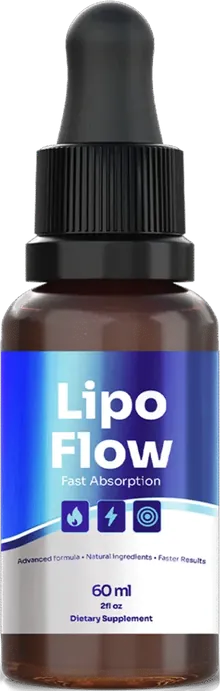
Beside your habits, never instead of them or instead of medical care. Lipo Flow is a liquid dietary supplement with a 200 mg blend of 22 ingredients and 0.7 mcg of chromium per 1 mL. The amounts are small, and the formula has not been tested in a published trial. See the ingredients page for each part.
Some people like a small daily ritual, such as a dropper with breakfast, as a cue for the rest of the day. That is a fair reason to try it, as long as expectations stay grounded. Check the side effects first if you take medicine, and follow the label directions.
What it can be
- A simple daily cue that pairs with breakfast
- 60-day money-back window on every pack
- Full label shown, including cautions
What it is not
- Not a weight-loss drug or a GLP-1
- Small, undisclosed ingredient amounts
- Cannot replace food, activity, sleep or care
Lipo Flow weight management questions
How much weight can you safely lose in a month?
For most adults, about 4 to 8 pounds. CDC says people who lose about 1 to 2 pounds a week are more likely to keep it off than people who lose faster (CDC, Steps for Losing Weight). Early weeks can show more because of water.
Do weight loss supplements work?
Mostly not by much. NIH says evidence for most weight-loss supplement ingredients is limited and the effects are small (NIH ODS, Weight-loss supplements). Food, activity and sleep matter far more.
Does Lipo Flow work for weight loss?
Lipo Flow has not been tested in a published trial, and we do not promise any weight loss. It is a dietary supplement with small ingredient amounts, meant to sit beside healthy habits, not replace them.
Do weight loss pills work as well as injections?
Supplements are not comparable to prescription medicines. FDA-approved weight medicines, pills and injections alike, helped adults lose 3% to 12% more of their weight after a year than lifestyle changes alone (NIDDK, Prescription medications for obesity).
Are there weight loss drops like Ozempic?
No supplement drop is a GLP-1 medicine. Semaglutide and tirzepatide are prescription drugs, and FDA advises buying them only with a prescription from a state-licensed pharmacy (FDA, Unapproved GLP-1 drugs). Lipo Flow is not a GLP-1.
What is a good first weight-loss goal?
Aim for 5% to 10% of your starting weight within about 6 months (NIDDK, Choosing a safe weight-loss program). For a 200-pound person, 5% is 10 pounds. Even that amount can improve health.
How many steps a day should I walk to lose weight?
There is no magic number. U.S. guidelines advise at least 150 minutes of moderate activity a week, and brisk walking counts. Start by adding one 10-minute walk a day.
When should I see a doctor about my weight?
See a doctor if your BMI is 30 or more, or 27 or more with a condition like high blood pressure. Also go if your weight changes without a clear reason, or before starting any supplement while on prescription medicine.
How can I tell if a weight-loss product is a scam?
Watch for promises of 2 pounds or more a week without diet or exercise, permanent results after you stop, fat blocking or results for everyone. The FTC flags these claims as false (FTC, Gut Check).
Ready to try Lipo Flow?
Order from the U.S. authorized merchant, keep your order email, and you are covered by the 60-day money-back guarantee. Questions first? Call +1 (302) 200-3480.
- Secure checkout
- 60-day money-back window
- Ships from the US
- Tracking by email
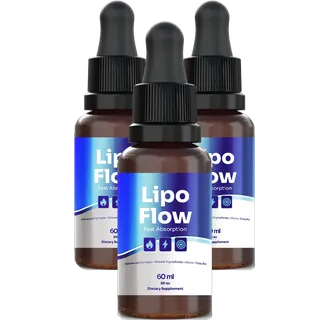
Keep reading
Ingredients
All 23 active ingredients in label order, five groups, research doses and the gaps on the label.
Read more →Side effects
Caffeine, low blood sugar, grapefruit, licorice, liver, xylitol and dogs, and when to stop.
Read more →Safe weight loss pace
The CDC pace, the NIDDK first goal, habits that help, plateaus and when medicine is the right talk.
Read more →